
By the time a market shift has a name, you are already late. We built Night Shift AI to spot and interpret change long before trend reports make it a talking point and market research puts a number on it.
At Daybreak we do strategy by combining two ways of knowing: the day language of business and the night language of culture. Numbers and market shares are day language, and plenty of people speak it fluently. It rarely tells you where new demand is, because behaviour moves fast and data catches up slowly.
Night language reads the movement itself: what is stirring in culture, what people are starting to care about, which competitors are still out of sight. Its one drawback is practical. The signals start in TikTok videos, book clubs, bars and subcultures, and no team can keep up with them all. So we built a machine that reads the trail they leave.
What Night Shift AI is
Night Shift AI is Daybreak's agentic AI. Think of it as a research fellow who understands day language but goes looking for insight in night language. It is a cast of specialised agents, each with one job in reading the market, so you get a team's worth of reading where a chatbot would give you one answer.
I have spent the past 20 years working with trends, foresight, cultural shifts and ethnography on five continents, both IRL and URL, and the past two rethinking how strategy is done with AI and agents. So when I built this, I knew a few spots to look in, and what to look for.
The night in the name is about the language, not the hour. It is named for where it looks: the places day language cannot reach. Night Shift AI runs whenever it is needed, which conveniently means nobody is owed a night shift bonus. I'm starting to think the agents 100% deserve one anyway.
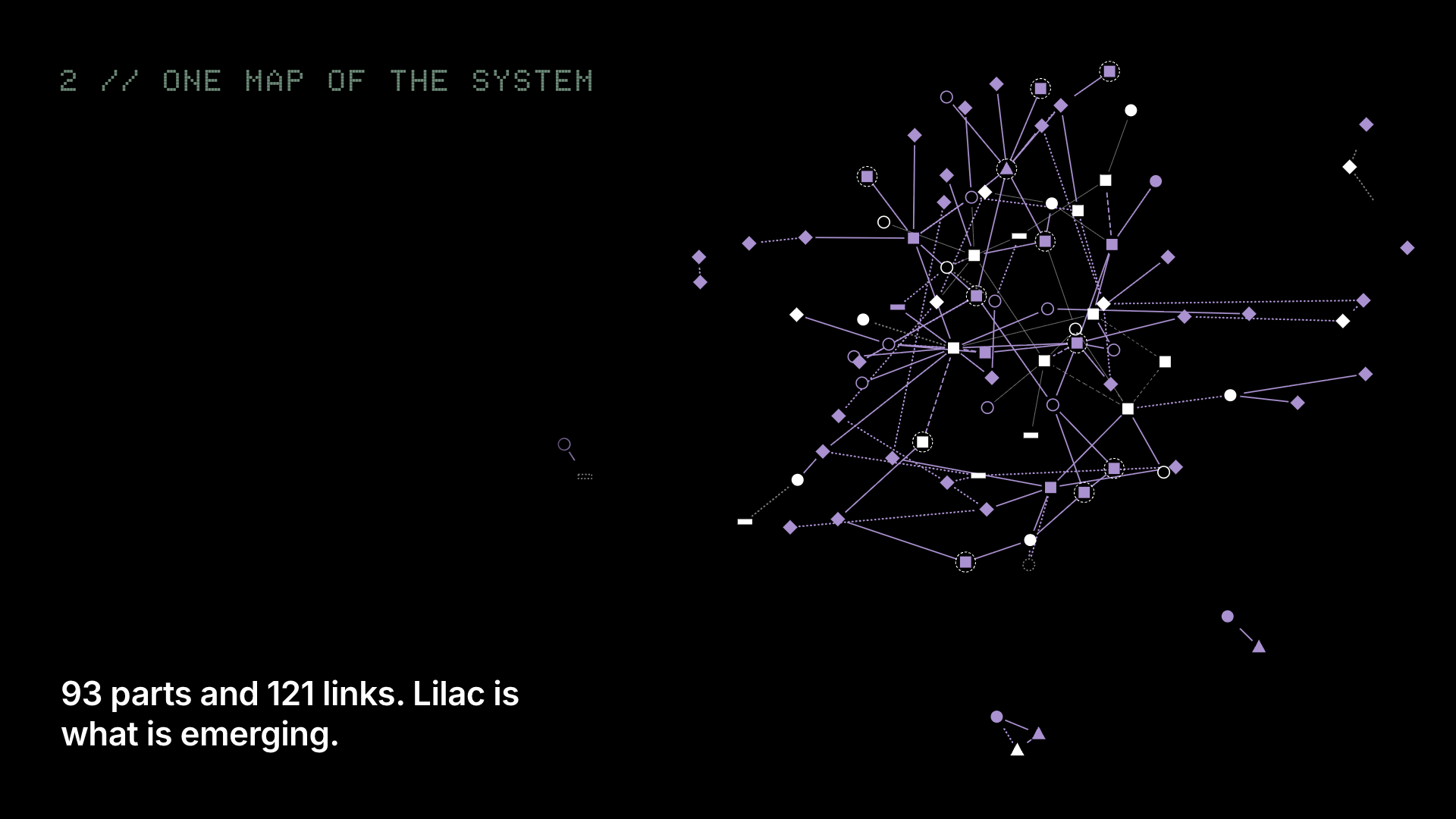
How it works: four moves from signal to growth hypothesis
A market is a system, so we map it as one. This time the map is drawn in night language: phenomena, meanings, emerging demand and the players in the shadows, and how they act on each other. Each of the four moves produces something people can interpret and argue with.
It reads widely. Thousands of sources across several markets: media, communities, the edges of culture and commerce. Cultural and media research is on the reading list too, which gives the phenomena depth and fresh frames.
It senses and sifts. From that mass it pulls the weak signals, cultural currents and everyday changes that matter for this market.
It maps meanings. Signals cluster into phenomena on a map of text and images. The map shows which meanings are gaining strength, where meaning is draining away and who is moving into the territory.
It test-drives hypotheses. It drafts first hypotheses about where new demand could be and tests them before anyone commits to anything.
In client work it reads all of this against your brand's strategy and position, so the map shows what the shift means for you.
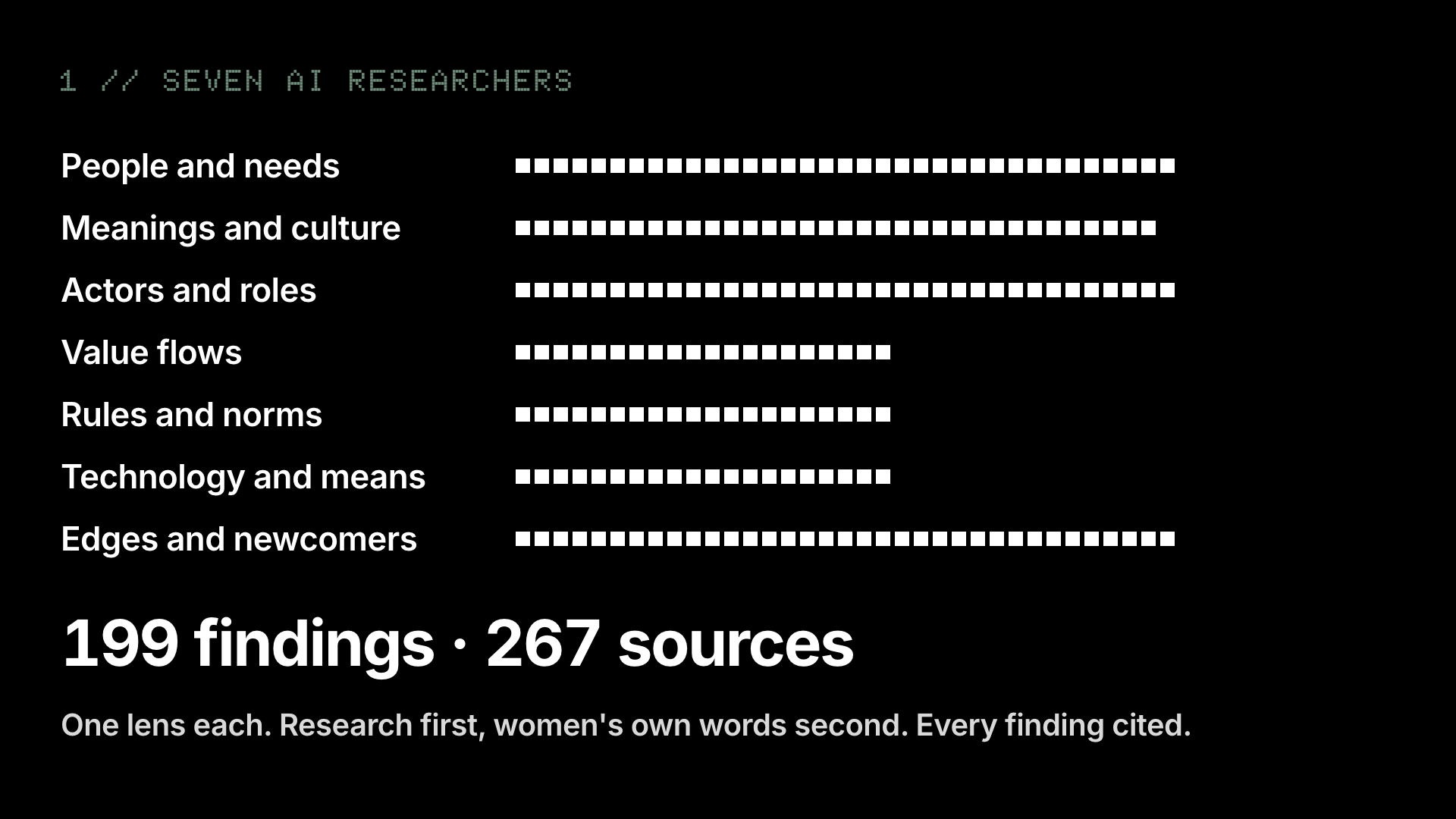
The machine reads. People interpret and choose.
Night Shift AI does not make the interpretation or the strategy on its own, and it should not. It is one of three parties in a Night Shift growth sprint, in which the client team, our strategists and the AI interpret the market together in night language.
Night Shift AI brings breadth: thousands of sources, the signals, the map of meanings and the first hypotheses.
Daybreak's strategists bring human depth: interpretation, taste and a practised sense of what matters in a phenomenon and of how to run the creative collaboration.
The client team brings the business: knowledge of how it works, and the decision on what to pursue.
The split is deliberate. The machine sees more than any person has time to read, and it does not need coffee to do it. Deciding what it all means, and what to do about it, stays with people.
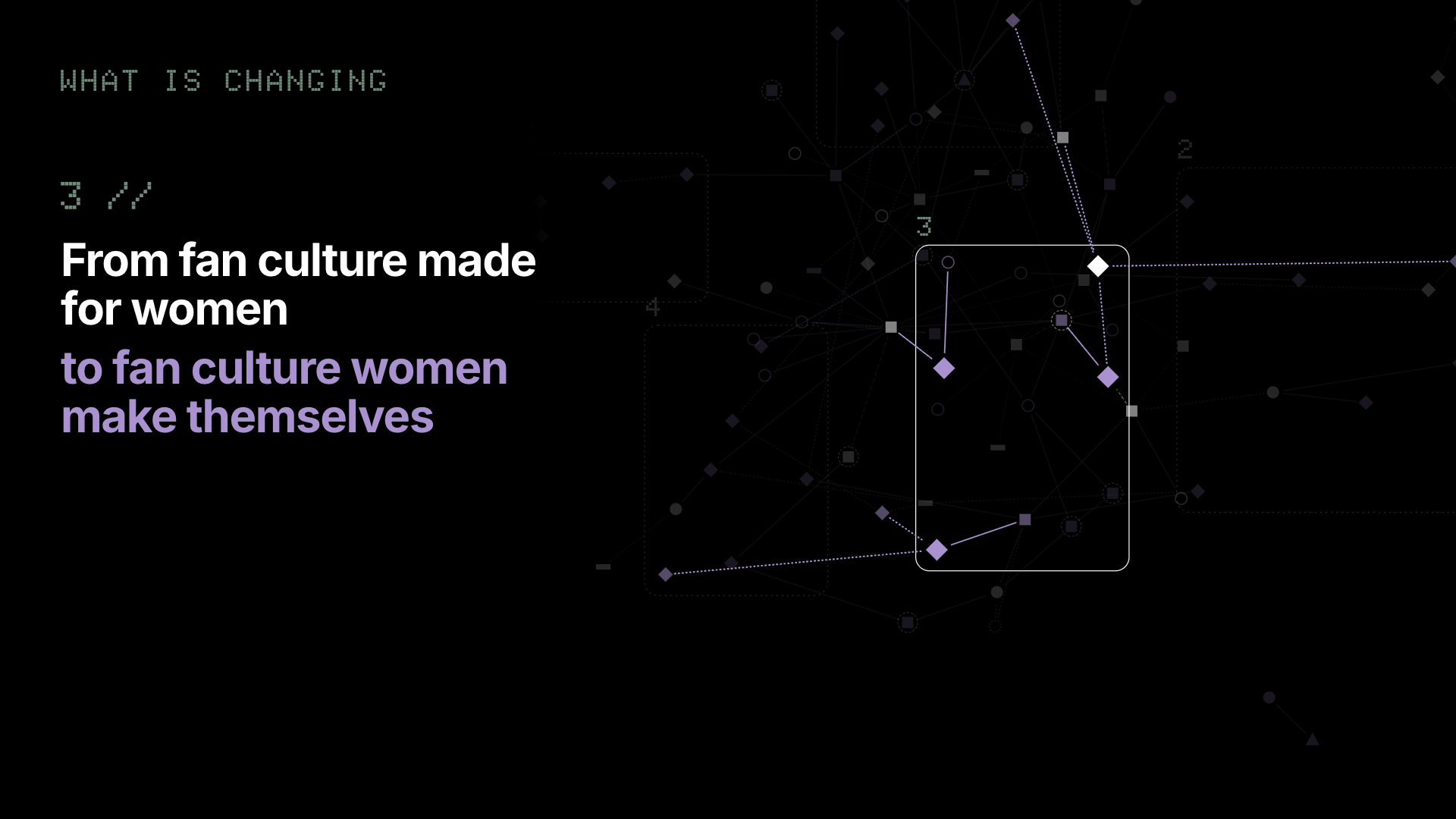
What you take away
A team leaves a Night Shift sprint seeing its market differently, with one growth opening in hand. Four things make that up.
1. The phenomena reshaping your market, early. You get the ones that matter most and what they do to your business, while you can still be among the first to respond.
2. Where new demand is forming. You see what customers are starting to need and how value is starting to be created, before either shows in the sales figures.
3. The competitors in the shadows. Categories blur. The players going after the same money, time and attention are often ones no competitor analysis lists. You see the new competition and the opportunities at the edges of your category.
4. Tomorrow's growth opening. You leave with a growth hypothesis and a first idea for how to validate it.
And it is fast. Background work that would normally take weeks is done before the sprint, so the time together goes to interpretation and choices.

Example: from hockey romances to the stands
A media client wanted to understand the growth market in women's sports. Night Shift AI read the shift in Finland, Sweden, the UK and the United States. Our strategists deepened the analysis, and in the sprint we interpreted it with the client's team.
Day language would have reported viewing figures and the price of broadcasting rights. Night language showed this:
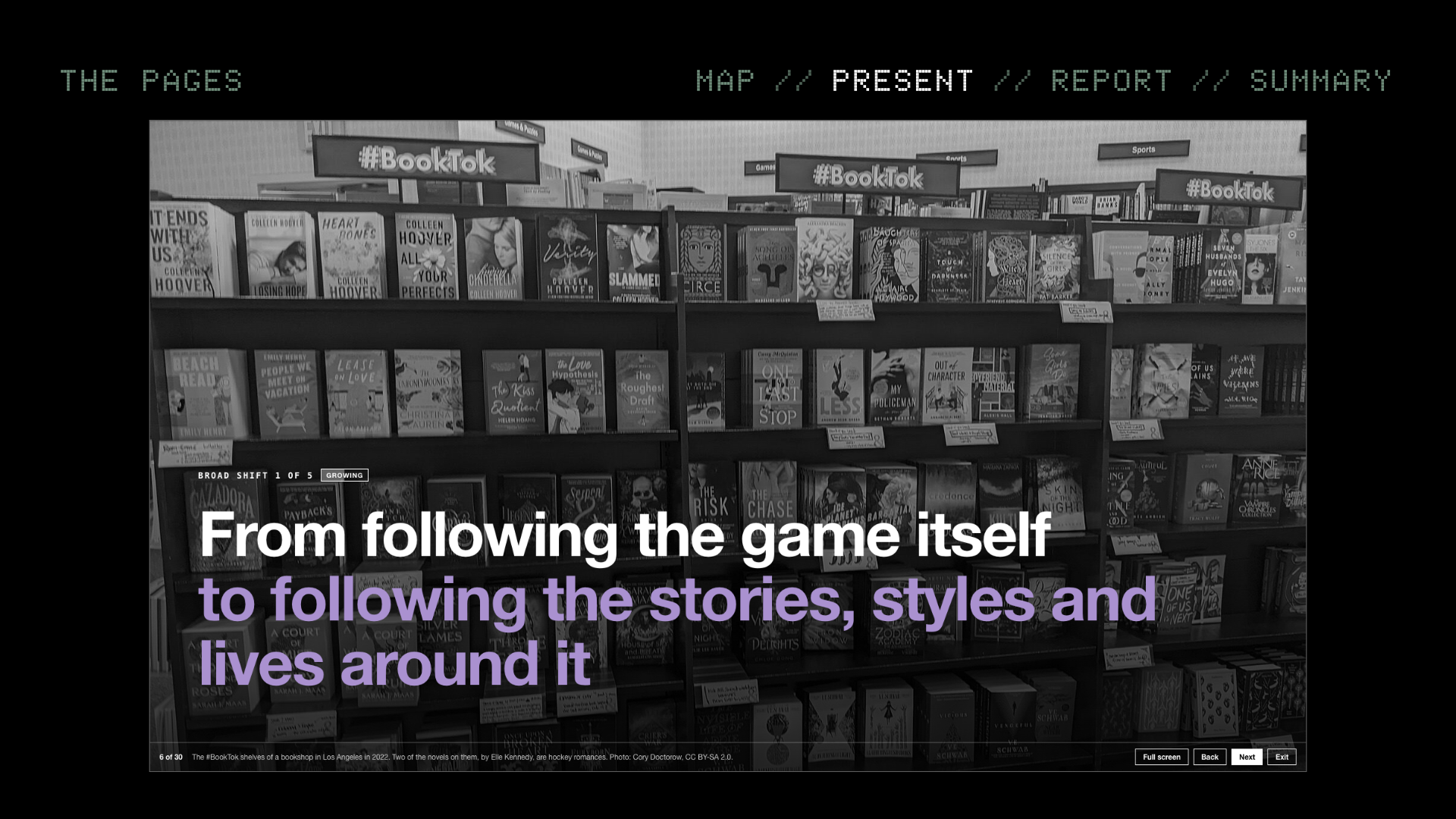
A phenomenon: story fandom. In the US, BookTok's hockey romances and series like Off Campus are bringing young women into arenas for a sport that used to feel foreign to them. A crush on a story can become a lasting bond with the sport, if someone builds the path.
A competitor in the shadows: whoever owns the stories and communities. Sports media's toughest competitors hold no broadcasting rights. They hold the stories and communities through which new audiences find sport.
New demand: places to be a fan on your own terms. Sports bars designed for women are opening fast, among them The Sports Bra in Portland and Babe’s in Chicago.
A growth opening: sports media shaped by women. Sky Sports closed its pastel-toned TikTok channel for women after three days because the audience found it patronising. TOGETHXR, founded by women athletes, shows the alternative: women deciding what gets talked about in sport and what the revenue is built on.
None of this would have surfaced from a market share table. Market share tables do not read romance novels. And we kept all of it at a level the client can act on today. They ended the sprint by choosing one growth opening, and we are now developing it together.
See your market in night language
Night Shift is for leadership teams and for growth, brand and innovation teams who want their view of where growth comes from challenged. Half a day gives you a new view of your market and one growth opening to take forward.
We have room for a few more this year. Let's talk about the blind spots where your next growth opportunity might be hiding.